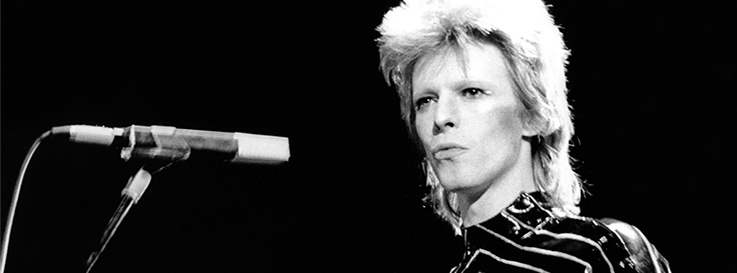
Some microphones earn their place in studios through legend. Others earn it through consistency. The Sennheiser MD 441 U sits firmly in the second camp, a dynamic microphone that behaves with the balance, detail and control people usually expect from a condenser and yet it remains tough and forgiving in ways only a dynamic can be.
It has been around since the early 1970s, and unlike many pieces of gear from that era, it never drifted into nostalgia. It stayed useful. It stayed relevant. And it still finds its way onto sessions where character and accuracy need to sit side by side.
A Bit of History
When Sennheiser released the MD 441 U in 1971, it was designed as a broadcast microphone. It needed to sound clear, reject room noise, and handle voices from unpredictable angles. Over time, engineers started noticing how well it handled instruments too, the controlled top end, the tight pattern, the ability to take serious volume without folding.
It has been used on horns, strings, toms, guitar amps, spoken word, and even lead vocals on records where a condenser felt too sharp or too revealing. Its flexibility is its history.
What Makes It Work So Well
The MD 441 U behaves differently from most dynamic microphones. It has a long acoustic path, an internal shock system, a super cardioid pattern, and a five-position low frequency switch that lets you shape how close or open you want the source to feel. There’s also a brightness switch that can gently lift the top end without pushing it into harshness.
None of the features feel like special tricks. They just let you meet the instrument where it is.
- On vocals, it brings focus without emphasising sibilance
- On guitar amps, it captures midrange detail that a typical dynamic might soften
- On toms or snare, it gives weight without losing clarity
- On woodwinds or brass, it smooths transients in a natural, honest way
It walks the line between clarity and character in a way that gives engineers more options and fewer compromises.
Why It Matters in a Studio Setting
A microphone like the MD 441 U is useful because it gives you an alternative that still feels familiar. When a condenser adds too much bite, or a ribbon softens things more than you want, this microphone sits comfortably in the middle.
It helps capture performances with both shape and control, and it keeps shaping the sound as it moves through the rest of the chain.
At Noise Machines, it fits neatly alongside our condensers, ribbons and dynamics. It is one of those mics that gets pulled out because we know exactly what it will give us — a clear, steady take that feels intentional.
A Mic With Range, Not Attitude
Some microphones impose a sound. The MD 441 U tends to support one. It responds honestly to the source, smooths what needs smoothing, and keeps a performance grounded.
Whether you are tracking vocals, amps, percussion or anything with sharp transients, it encourages confidence. You hear the instrument, not the struggle to record it.
Want to Hear It in a Session?
If you want to try the MD 441 U on your next project or see how it compares to other mics in our collection, you’re welcome to come in for a session or a walkthrough.
Reach out at radi@noisemachines.studio or call 0405 709 131 and we’ll find the setup that suits your sound.
Related Reads
- Gear Spotlight: The Neumann M147
A detailed look at a modern tube mic built around one of the most iconic capsules in recording history. - Noise Machines Gear List
Explore the full range of microphones and outboard available in Studio A and Studio B.