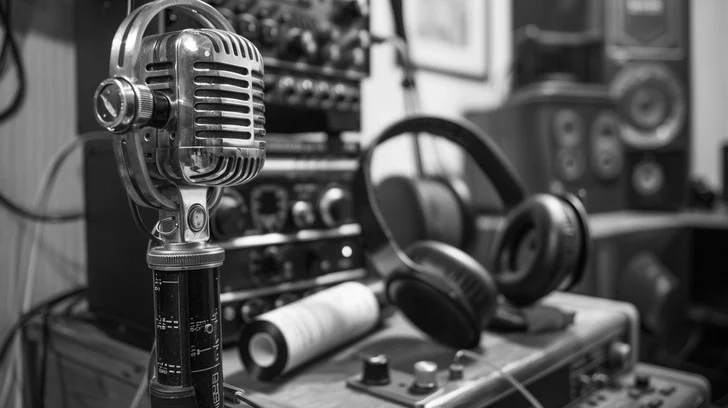
Every vocalist brings their own tone, texture and dynamic fingerprint into the room. Some lean bright and breathy, some sit deep and chest focused, others live in that in between place where edge and warmth blend together. This is why there is no such thing as a universal vocal mic. The right match is a conversation between the singer, the song and the microphone in front of them.
Engineers often talk about mics as if they have personalities, and in a way they do. Some are gentle and flattering, others are revealing and honest, and a few have enough colour to shape a performance before it even reaches a compressor. Finding the right fit is part instinct, part experience and part knowing how different capsules respond when a vocalist steps forward.
Why Mic Choice Matters More Than People Think
A microphone is the first translation point. Before any EQ, compression or effects arrive, the mic decides how tone enters the signal path. A voice that leans bright might benefit from a mic that smooths the upper range. A richer baritone might feel more alive through something with a bit more forward presence. Even small changes in distance, angle or room placement will shift the tone in ways that affect the entire mix.
A common misconception is that expensive microphones always win. In reality, the goal is balance. A great vocal sound does not come from pushing a single piece of gear. It comes from listening closely and matching a mic to the performer in a way that feels natural and honest.
A Look at Some Classic Vocal Pairings
While there are no rules, history gives us clues.
Different artists have been known to favour mics that support the tonal shape of their voice.
- Michael Jackson often used the Shure SM7B during sessions for Thriller because it paired well with his dynamic control and helped deliver a clean and focused tone without unwanted brightness.
- Beyoncé has been recorded on a variety of large diaphragm condensers, including the Neumann U 67, which complements her detailed phrasing and wide dynamic range.
- Adele is frequently associated with the Telefunken ELA M 251 for its warm and open quality that works well with her strong midrange and expressive delivery.
These choices are not about prestige. They are about microphones supporting the artist’s natural strengths.
Testing, Listening and Adjusting
A vocal mic choice is rarely final on the first take. Engineers will often test two or three options, making small adjustments in placement to see how the mic reacts when the singer pushes, whispers or opens up in the chorus. Sometimes the quieter moments tell you more than the loud ones.
The goal is not to change the voice. It is to allow it to feel comfortable and expressive. A singer who hears themselves clearly and naturally will give a better performance every time.
This is where a studio environment makes a real difference. The room is controlled, the signal path is clean and the engineer can shape the sound in a way that feels personal to the artist.
At Noise Machines, sessions often begin with this process: finding the mic that gives the singer confidence and sits in the track with ease. It sets the foundation for everything that follows.
If you want to explore how different microphones can shape your vocal tone, we would love to help you find the right match. Reach out to radi@noisemachines.studio or call 0405 709 131 to book a session and hear the difference for yourself.
Related Reads
- What Does an Engineer Actually Do? A look at how engineers shape sound, guide sessions and support artists throughout the recording process.
- Noise Machines Gear List See the range of microphones and studio tools available for shaping vocals and building your session.