Every era produces records that seem to hold their place long after trends move on. They continue to sound relevant not because they resist age, but because they were never chasing the moment they were made in. While it is easy to point to vintage gear or production limitations as the reason, timelessness is usually the result of a series of steady, practical decisions rather than a specific sound or aesthetic.
More often than not, these records were shaped by clarity of intent rather than a desire to impress.
Performances That Lead the Recording
A consistent trait across enduring recordings is the strength of the performances captured. Timing and pitch are important, but they are rarely the defining factor. What tends to last is a sense that the performer was present, committed, and comfortable within the song.
Many records that continue to resonate were made with the understanding that a take does not need to be flawless to be convincing. Small imperfections often become part of the character, giving the recording a sense of movement rather than rigidity.
When performances are trusted, production choices naturally fall into a supporting role.
Arrangements With Room to Breathe
Timeless recordings often rely on arrangements that feel considered rather than crowded. Each element has a clear role, and space is treated as something useful rather than something to be filled.
This restraint helps a recording adapt to different listening environments and playback systems over time. Sounds that rely heavily on novelty or excess layering can quickly feel dated, while arrangements built around balance and intention tend to remain flexible.
Space allows the listener to engage with the song without distraction.
Consistency Across the Recording
Another factor that contributes to longevity is consistency in sound. When tones, balances, and spatial choices remain cohesive throughout a track or an album, the listener experiences the music as a unified whole rather than a series of competing ideas.
These decisions are often made early and refined gradually instead of being constantly reworked. That approach not only saves time, but also helps preserve the natural qualities of the source material.
Consistency creates familiarity, and familiarity is often what makes a record easy to return to.
A Shared Sense of Space
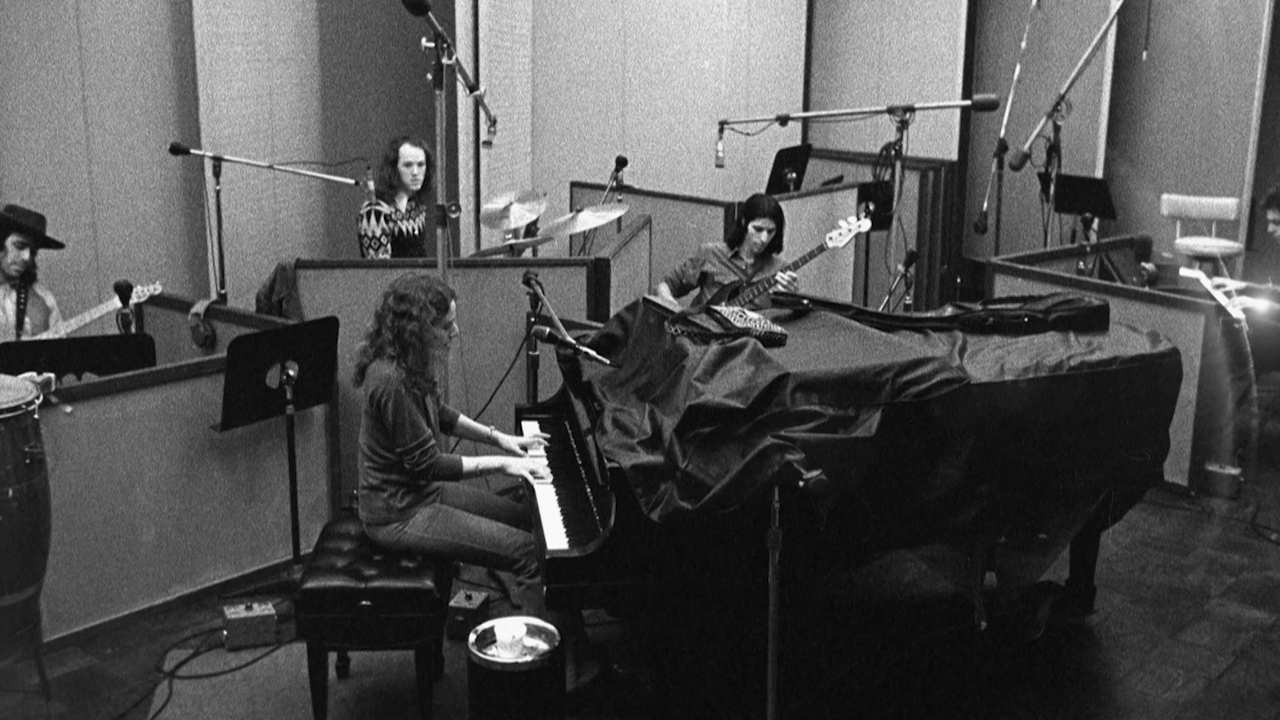
Many recordings that age well share a subtle sense of place. Even when parts are overdubbed, the instruments and vocals feel connected, as though they exist within the same environment.
This does not depend on elaborate setups or strict recording methods. It comes from thoughtful mic placement, awareness of room tone, and an understanding of how sounds interact with one another. When these elements align, the result feels grounded and coherent rather than assembled.
It is a quality that studios are particularly well suited to support, simply by providing controlled, intentional spaces for listening.
Technology as a Practical Tool
Timeless recordings are rarely defined by the tools used to create them. Instead, the technology serves the decisions being made rather than dictating them. While modern production offers enormous flexibility, longevity often comes from knowing when to stop adjusting and commit.
When attention stays on the song and the performance, the recording is less likely to be anchored to a specific moment in production history.
Why This Still Matters
With so many production options available today, timelessness often comes from narrowing the focus rather than expanding it. Clear performances, thoughtful arrangements, consistent sound choices, and a shared sense of space remain as relevant now as they were decades ago.
Studios continue to play a role in this process, not by adding polish for its own sake, but by offering an environment where these decisions can be made with care and perspective.
Recordings that last tend to feel settled rather than overstated. They invite repeat listening without demanding attention, and their strength usually lies in the accumulation of small, deliberate choices made early and carried through with confidence.
If you are thinking about recording music you want to live with long term, a focused studio session can help clarify those early decisions.
You can reach Radi at radi@noisemachines.studio or 0405 709 131.
Related Reads
- What Does an Engineer Actually Do?
A look at how technical decisions support performances rather than reshape them. - Inside Studio A at Noise Machines
An overview of the space where sound, balance, and consistency come together.