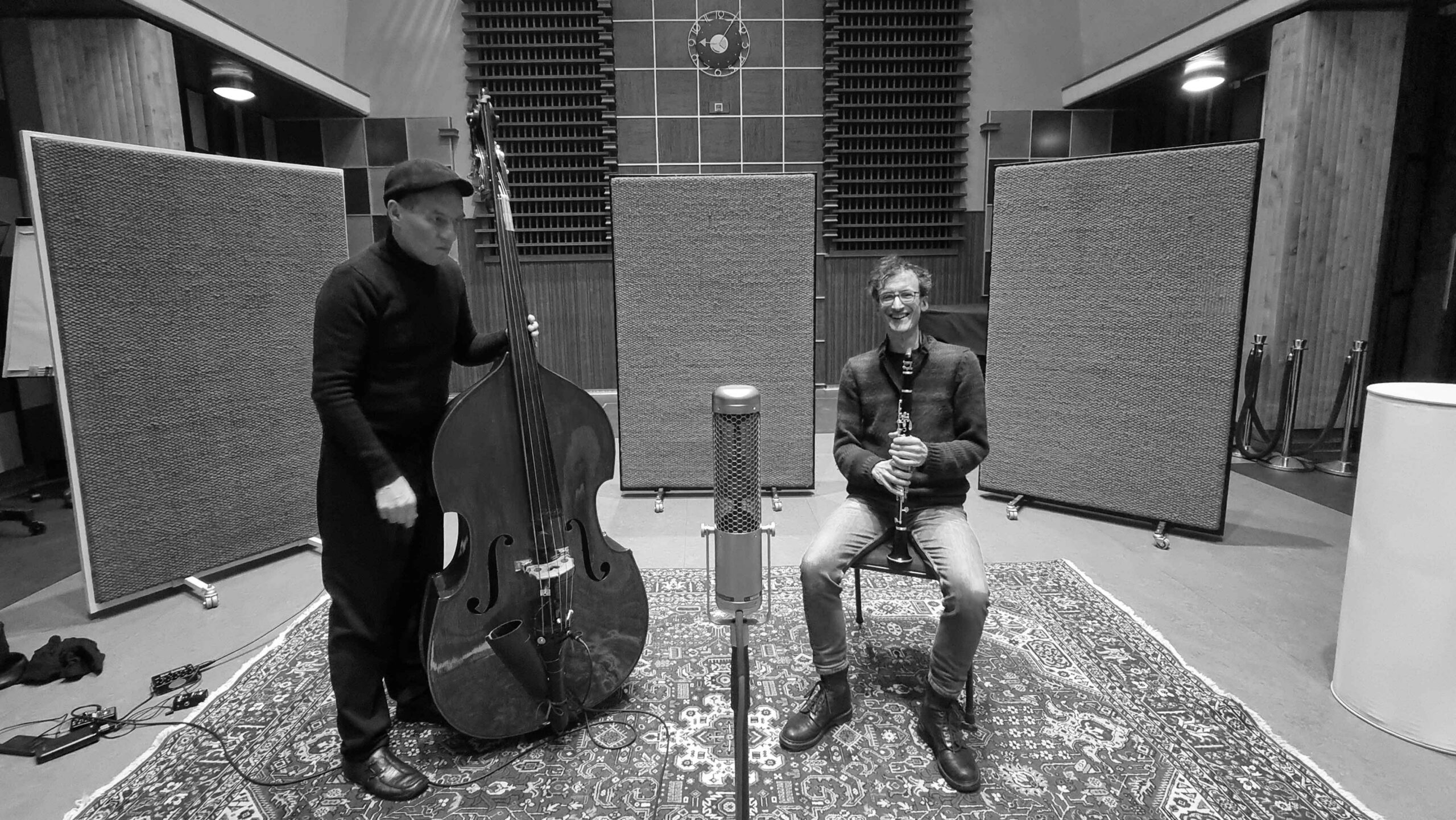
There was a time when capturing room sound was not a choice. Early Elvis recordings at Sun Studio were cut with musicians playing together in one space. Drums, guitar amps, and vocals bled into each other because they had to. The room became part of the record.
That approach never fully disappeared, but for a while it was less common. With modern production, it became easier to isolate everything and build space later using plugins and artificial reverbs.
Recently, more artists have been moving back toward recording real room sound during tracking.
You can hear it in newer records by artists like Dijon and Mk.gee. The instruments sit in the same space. The drums are not completely sealed off. Guitars interact with the room. It is not about sounding vintage. It is about letting the performance exist in a real acoustic environment.
Khruangbin’s recordings in their barn studio follow a similar idea. The space they play in shapes the sound before any processing is added. The room is not exaggerated. It is simply present.
What Natural Room Sound Actually Is
Natural room sound usually comes from allowing extra microphones to capture the space around an instrument. On drums, that might mean placing a pair of room mics further back from the kit. On guitars, it might mean blending an amp mic with a microphone placed a few feet away.
It can also mean recording musicians together instead of separating everyone into booths. When players share a room, their sounds overlap slightly. That overlap creates depth and glue before mixing even begins.
None of this is complicated. It is about distance and placement rather than heavy processing.
Why It Is Showing Up Again
One reason this approach is returning is that many productions over the past decade have been extremely controlled. Clean edits, tight isolation, and heavy use of digital ambience became the norm.
While that can sound polished, it can also make every element feel disconnected from the others. Real room sound solves that in a simple way. The instruments already share the same air.
There is also a performance aspect. Musicians respond to the way a room reacts. A drummer will hit differently when hearing reflections come back from the walls. A singer will adjust dynamics based on how their voice fills the space.
Those small adjustments shape the take in ways that are hard to recreate later.
Blending Modern Tools With Real Space
This does not mean abandoning modern recording methods. Close mics are still important. Editing is still useful. The difference is that space is being captured at the source instead of being entirely designed after the fact.
For artists who write and demo at home, tracking key elements in a well designed live room can change the feel of the recording without adding more layers or effects. Sometimes the simplest way to create depth is to step back from the instrument and let the room speak.
Natural room sound is not about nostalgia. It is about allowing musicians to play together in a space that contributes something real to the recording.
If you want the final version of your song to feel more connected and dimensional, recording in a proper acoustic space can make a clear difference.
You can reach Radi at radi@noisemachines.studio or 0405 709 131.