It usually doesn’t feel like anything has gone wrong. You’re building something, getting an idea down, and at some point you start adjusting things so it feels a bit more balanced. Maybe the vocal comes up slightly, maybe you clean up the low end, just enough so it sounds clearer while you’re working.
That instinct is completely natural. You want to hear what you’re doing properly, and small changes can make a big difference in how something feels in the moment. The problem is that those small changes tend to lead into more of them, and before long the focus of the session has shifted without you really noticing.
Instead of following the idea wherever it was going, you’re now spending more time circling around the same section, trying to improve it. It still feels like you’re working on the track, but it’s a different kind of work, and it doesn’t always move things forward in the same way.
Making decisions on something that hasn’t settled yet
Part of the difficulty is that you’re trying to shape something that is still in motion. Early on, a track doesn’t really have a fixed identity. Sounds get swapped, arrangements change, sections get added or removed, and what felt important at the start might not matter by the end.
When you begin mixing at that stage, the decisions are tied to a version of the track that isn’t final. You might spend time getting a sound to sit perfectly, only to realise later that it doesn’t belong there at all. Or you shape something to fit around an arrangement that ends up changing anyway.
It’s not that those decisions are wrong, they just don’t have anything solid to attach to yet. So they tend to get revisited, undone, or replaced, which can make the whole process feel a bit circular.
Why it’s easy to stay in that loop
There’s also something about mixing that feels reassuring. When you adjust something and it immediately sounds better, it gives you a clear sense that you’re improving the track. That kind of feedback is quick and easy to trust.
Writing is different. It takes longer to know if something is working, and sometimes you have to sit with an idea for a while before it makes sense. That uncertainty can make it tempting to go back to tweaking, because it feels more concrete and more controlled.
Over time, that can turn into a habit where the session leans more towards refining what’s already there instead of pushing the idea further. You end up spending more time improving parts than actually building the track.
What changes when you give it more space
When the track is allowed to take shape first, even in a rough way, it becomes much easier to understand what it actually needs. Decisions start to feel less like guesses and more like responses to something that already exists.
That doesn’t mean avoiding all adjustments while you’re producing. Rough balances and simple choices are part of the process. It’s more about holding off on the detailed work until the track has a bit more definition.
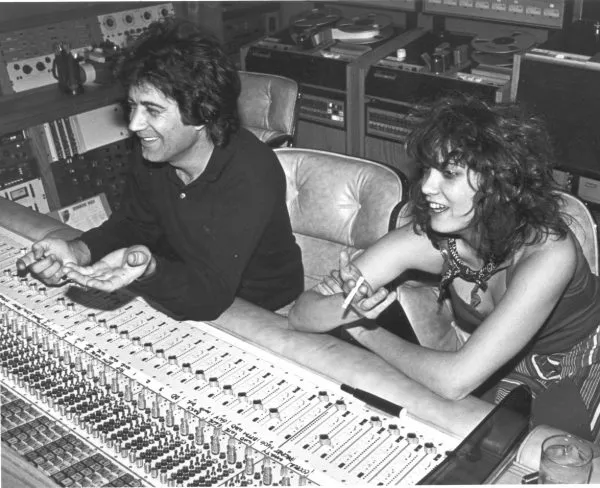
You can hear it quite clearly in a studio environment. The focus tends to stay on capturing something that feels right, whether that’s a performance or just the way a few sounds sit together naturally. There’s less interruption, and less pressure to perfect things too early.
By the time you move into mixing, you’re working with something that already has a direction. The process becomes more about supporting that, rather than trying to discover it at the same time.
Thinking about your next session?
Sometimes it only takes a small shift in environment to approach things differently. Being in a space that’s set up for recording and making decisions can naturally pull your attention back to the idea itself, rather than the details around it.
If you’ve been working on something that hasn’t quite come together yet, or you’re finding yourself stuck in that loop of adjusting things without moving forward, it can help to step into a room where the focus is a bit clearer from the start.
If that sounds familiar, feel free to get in touch and come through the studio. You can reach Radi at radi@noisemachines.studio or 0405 709 131.