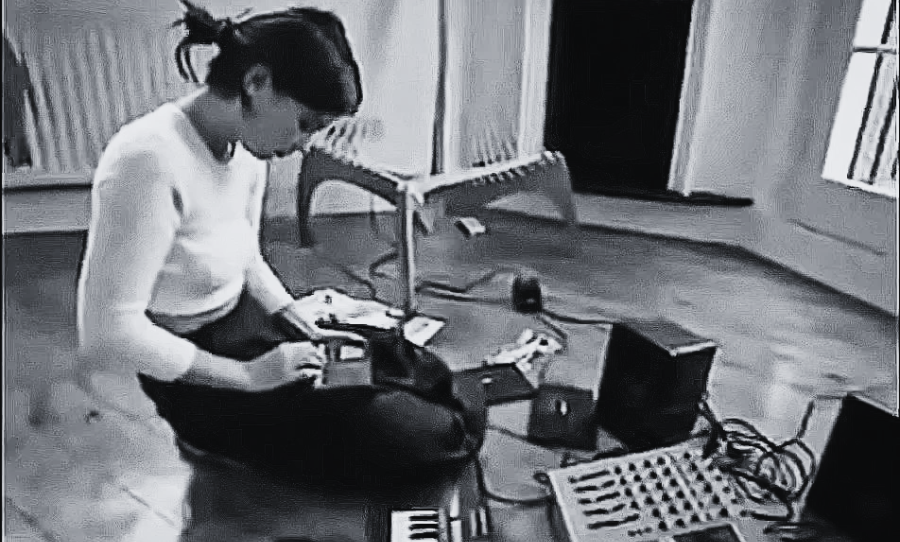
Over the past decade, home recording has become easier than ever. Affordable interfaces, good microphones, and powerful recording software mean many artists can write and track ideas without leaving their room.
At the same time, more musicians are combining that setup with time in professional studios rather than choosing one or the other.
This hybrid approach has quietly become the normal way many records are made.
Where Home Recording Works Best
For writing and experimentation, home setups can be ideal. When ideas come quickly, it helps to be able to record them immediately.
Many artists now build early versions of songs this way. Guitars, keyboards, rough vocals, and programming often start in small home studios where there is no pressure and no clock running.
These recordings act as working demos. By the time a song reaches a studio session, the structure and direction are usually already clear.
What Changes in a Studio
When key parts need to be recorded properly, the studio often becomes the next step.
Drums are a common example. Capturing a full drum kit with depth and balance usually requires a larger space and multiple microphones placed carefully around the kit. Vocals can also benefit from a controlled recording environment where background noise and reflections are easier to manage.
The difference is not just technical. A studio also creates a focused setting where the job is simply to record the song.
Splitting the Work
In hybrid sessions, artists often arrive with most of the arrangement already mapped out. The studio time is used to capture the elements that benefit most from the space and equipment.
Drums, final vocals, guitars through real amplifiers, or live performances often happen in the studio. Editing, programming, and additional layers can then continue later at home.
This way of working keeps sessions efficient while still giving important parts the attention they need.
Why the Approach Works
Hybrid recording lets artists move at two different speeds. Ideas can develop slowly at home, while studio sessions are used for the moments that require focus and good acoustics.
Rather than replacing professional studios, home recording has changed how they are used. Studios are less about starting from scratch and more about refining the parts that matter most.
For many modern artists, combining both environments simply makes sense.
If you have been building songs at home and are ready to capture key elements with more depth and clarity, a focused studio session can be the next step.
You can reach Radi at radi@noisemachines.studio or 0405 709 131.