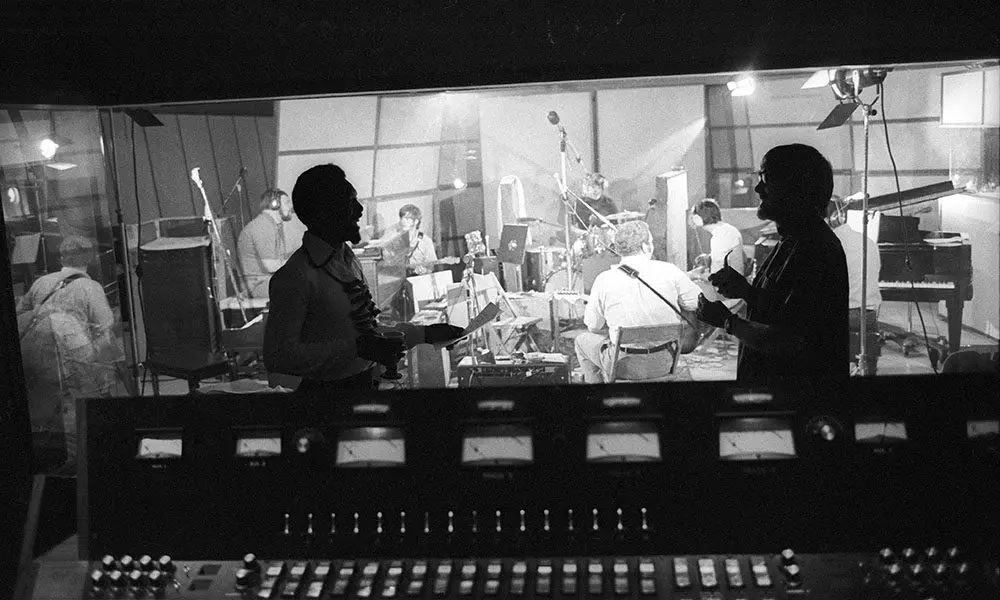
Some recording sessions move along without much trouble. You get sounds quickly, performances feel natural, and decisions tend to stick. Other sessions can feel harder than they need to be. You spend more time stopping and starting, changing things that were already working, or going back over parts that felt fine the first time.
That difference usually has less to do with talent or preparation than people think. More often, it comes down to focus, comfort, and how many things everyone is trying to manage at once.
Knowing What You Are There to Record
Sessions tend to run more smoothly when there is a basic agreement about what the song is meant to be. That does not mean everything needs to be planned in advance, but it helps if everyone understands what matters most in the track.
When that is clear, decisions are easier to make. You are not trying to cover every option or second guess every take. When it is not clear, small choices start to slow things down. You try a few versions, then a few more, and it becomes harder to tell what is actually helping the song.
Feeling Comfortable in the Room
People usually play better when they feel comfortable in the space they are recording in. That comfort comes from being able to focus on playing, rather than worrying about levels, software, or whether something is being captured properly.
At home, this can be harder to keep consistent. Writing, recording, editing, and listening often happen in the same space, sometimes all at once. You might be playing a part while also thinking about mic placement or whether the take clipped. That constant switching can pull attention away from the performance.
In a studio, some of that pressure is taken off. The setup is already there, and the space is built for listening. That alone can make it easier to stay in the moment and get a take that feels right.
Doing Too Many Jobs at Once
Sessions often slow down when one person is trying to do everything. Writing the part, performing it, recording it, and judging it all at the same time can break concentration. Even when the decisions are sensible, jumping between roles can make the process feel stop start.
In a studio, those roles are usually more clearly shared. The artist can focus on playing and singing, while the technical side stays steady in the background. That separation does not remove creative control, but it often helps sessions feel calmer and more focused.
Letting Decisions Hold
Easier sessions usually involve making decisions and letting them sit for a while. Sounds are chosen, balances are set, and the track is allowed to move forward before everything is questioned again.
When nothing is allowed to settle, it can feel like you are constantly restarting. Giving decisions some time helps the session build a sense of direction and makes it easier to hear what the song actually needs next.
Why This Still Matters
With modern recording, it is possible to change almost everything at any time. While that can be useful, it can also make sessions feel heavier than they need to be. Recording tends to feel easier when attention stays on the song and the performance, rather than on endless options.
Studios help by creating a space where listening and focus come first. They remove some of the distractions that slow sessions down and make it easier to commit to decisions as you go.
If recording has started to feel more complicated than it should, working in a focused studio environment can help simplify the process and get things moving again. Please reach out to Radi at radi@noisemachines.studio or 0405 709 131.