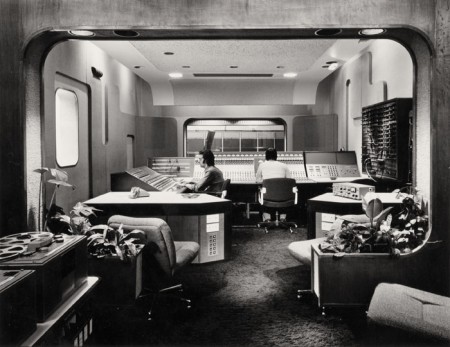
For a long time, outboard gear implied scale. Full-height racks, dedicated rooms, and a clear separation between professional and home setups. That picture has shifted. Increasingly, high-quality hardware is finding its place on desks rather than in racks, changing how producers interact with their tools on a daily basis.
Hardware within reach
Desktop racks, particularly in 500 series formats, are a big part of that shift. Compact enclosures from companies like Rupert Neve Designs, API Audio, and Cranborne Audio have made it easier to integrate preamps, EQs and compressors into smaller setups without committing to a full rack build. Instead of being tucked away, these units sit within reach, encouraging more hands-on use during writing and tracking rather than being reserved for mixing or final passes.
That accessibility changes workflow in subtle ways. Adjustments happen in real time, often while ideas are still forming, rather than as a separate, more deliberate stage. It also reduces the friction that can come with hybrid setups. With shorter signal paths and fewer routing decisions to manage, hardware becomes part of the creative process rather than an extra layer to navigate. For many producers, that immediacy is the real appeal, bringing a tactile element back into sessions without introducing the complexity that larger systems often demand.
Built for smaller studios
There’s also a practical side to the shift. Not every producer has the space, budget, or need for a large-format setup. Desktop racks allow for incremental expansion, adding a single module at a time, without the overhead of building out a full system. A small chassis paired with a couple of carefully chosen modules can cover a surprising amount of ground, whether that’s tracking vocals, shaping synths, or adding character during mixdown.
At the same time, the growth of boutique manufacturers has reinforced this format. Smaller builders are increasingly designing modules with compact studios in mind, focusing on flexibility and tonal variety rather than strict recreations of legacy gear. In a desktop context, that makes sense. When you only have a few slots to work with, each piece needs to earn its place.
Where it fits now
None of this replaces traditional rack setups, which still make sense in larger or more permanent spaces. But the rise of desktop racks points to a broader change. Hardware isn’t disappearing, it’s adapting—becoming smaller, more immediate, and better suited to the way most music is actually made now.
If you’ve always wanted to try out a full studio rack, you can reach out to Radi at radi@noisemachines.studio or 0405 709 131.