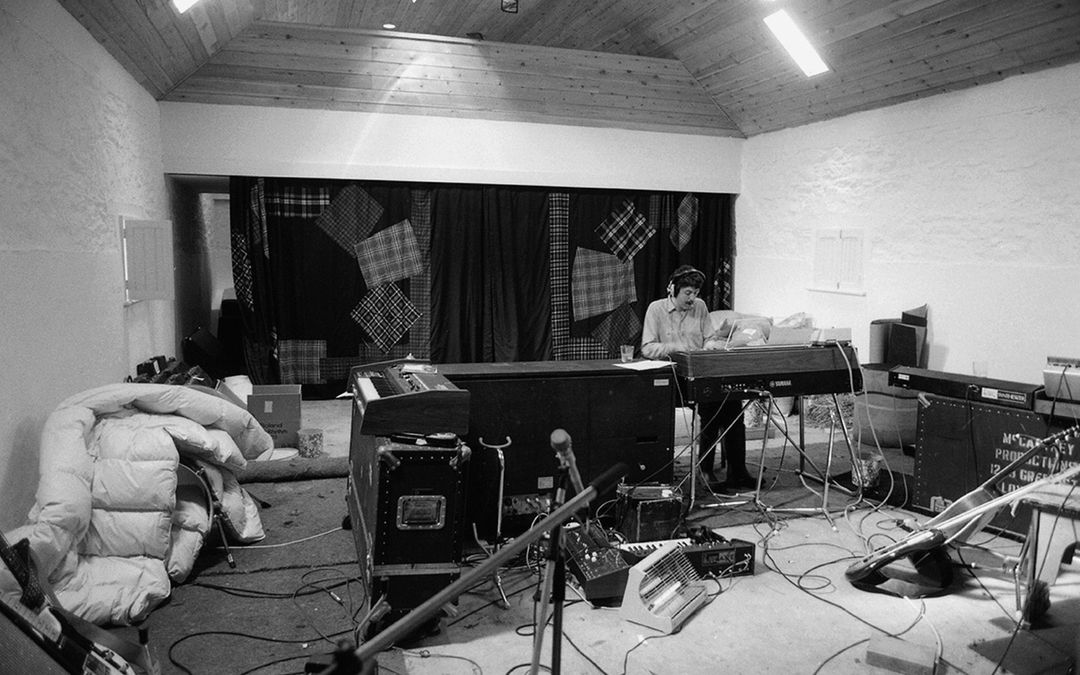
Perfection in sound has had a good run. For decades, engineers chased clean mixes, noise-free takes, and surgical edits — the dream of sonic flawlessness. But lately, something strange has happened: the most exciting records sound a little bit broken.
That crackle you thought you should clean up? It’s probably the best part.
The “dirty” aesthetic — tape hiss, pedal noise, unpredictable saturation, the kind of warmth that only happens when something’s slightly off — has quietly taken over modern production. What was once considered unprofessional now feels human, nostalgic, even luxurious. Artists are chasing imperfection on purpose, and producers are finding new ways to add grit, bleed, and texture back into recordings.
It’s not just a lo-fi trend; it’s a reaction. After years of digital perfection, listeners are craving proof that there’s a person behind the waveform.
From Tape to DAW and Back Again
When recording went digital, it promised freedom — infinite takes, flawless edits, and a noise floor so low you could hear the air conditioning hum. Yet in that perfection, something was lost: the innate humanity that comes from limitation and performance.
Old tape machines and analog gear introduced harmonic distortion, compression, and saturation simply by existing in the signal chain. Those imperfections gave mixes a sense of cohesion and warmth. Once engineers moved fully “in the box,” they realised something was missing — that sense of physicality, the way a mix could breathe.
At Noise Machines, we’ve spent years exploring how analog character interacts with digital precision. From vintage tape machines to modern summing racks, our studio allows artists to experiment with grit and texture — giving them the creative freedom to embrace imperfection without sacrificing clarity.
The Rise of Character Over Clarity
There’s also a shift in taste. Modern audiences have grown up listening to music made on laptops, and in that context, a perfectly clean mix can sound sterile.
Indie and pop records alike are embracing grime and grit — the soft clipping on Billie Eilish’s vocals, the warped compression on Tame Impala’s drums, or the way producers like Vegyn and Arca use distortion not as a mistake but as an emotional texture.
These aren’t technical errors — they’re decisions. The noise becomes a kind of fingerprint, a reminder that a human made this. In our studio, we experiment with layering analog and digital sources to get just the right balance — subtle imperfections that make tracks feel alive.
The Psychology of Imperfection
There’s a psychological side to all this too. Perfect recordings create distance; flawed ones create connection. We don’t just hear it — we feel the tiny voice cracks, the emotional tension, and the nuance that makes a performance truly alive.
When a tape flutters or a vocal peaks, it triggers the same response as a hand-drawn line in a world of straight edges. It’s familiar, relatable, and a little unpredictable. In a digital landscape where almost everything can be automated, imperfection reads as authenticity.
Making Things “Worse” on Purpose
The irony, of course, is that it now takes serious engineering chops to make something sound imperfect in the right way. There’s an art to the balance: adding dirt without losing definition, warmth without mud.
Tools like tape emulation plugins, analog summing boxes, and creative re-amping techniques are everywhere, but the secret sauce remains taste. The best “dirty” mixes still sound deliberate — the difference between a lo-fi aesthetic and an actual mistake. Sometimes the real trick is knowing what not to fix.
A Beautiful Mess
Maybe imperfection is more than just a sound — maybe it’s a philosophy. In a world obsessed with editing and quantising everything into submission, leaving the rough edges in can feel radical.
The “dirty” aesthetic isn’t about nostalgia for old gear; it’s about rediscovering humanity in music. A little hiss, a little saturation, a little chaos — sometimes that’s where the magic lives. At Noise Machines, we give artists the tools, spaces, and expertise to explore these textures for themselves, turning imperfection into an intentional part of their sound.
Curious how capturing subtle performance nuances can transform your music? Book a session at Noise Machines and experience the difference firsthand. Reach out to Radi at radi@noisemachines.studio or call 0405 709 131 to start your session. Have a release you’d like to promote? Checkout Happy Mag’s Indie Rate Card.
Related Reads
- Gear Spotlight: The Neumann M147 – Explore a classic tube condenser that brings warmth and character to every vocal and instrument recording.
- Noise Machines Gear – Discover the carefully curated gear we use to capture the nuances that make performances feel alive.